
 sourov.8@outlook.com
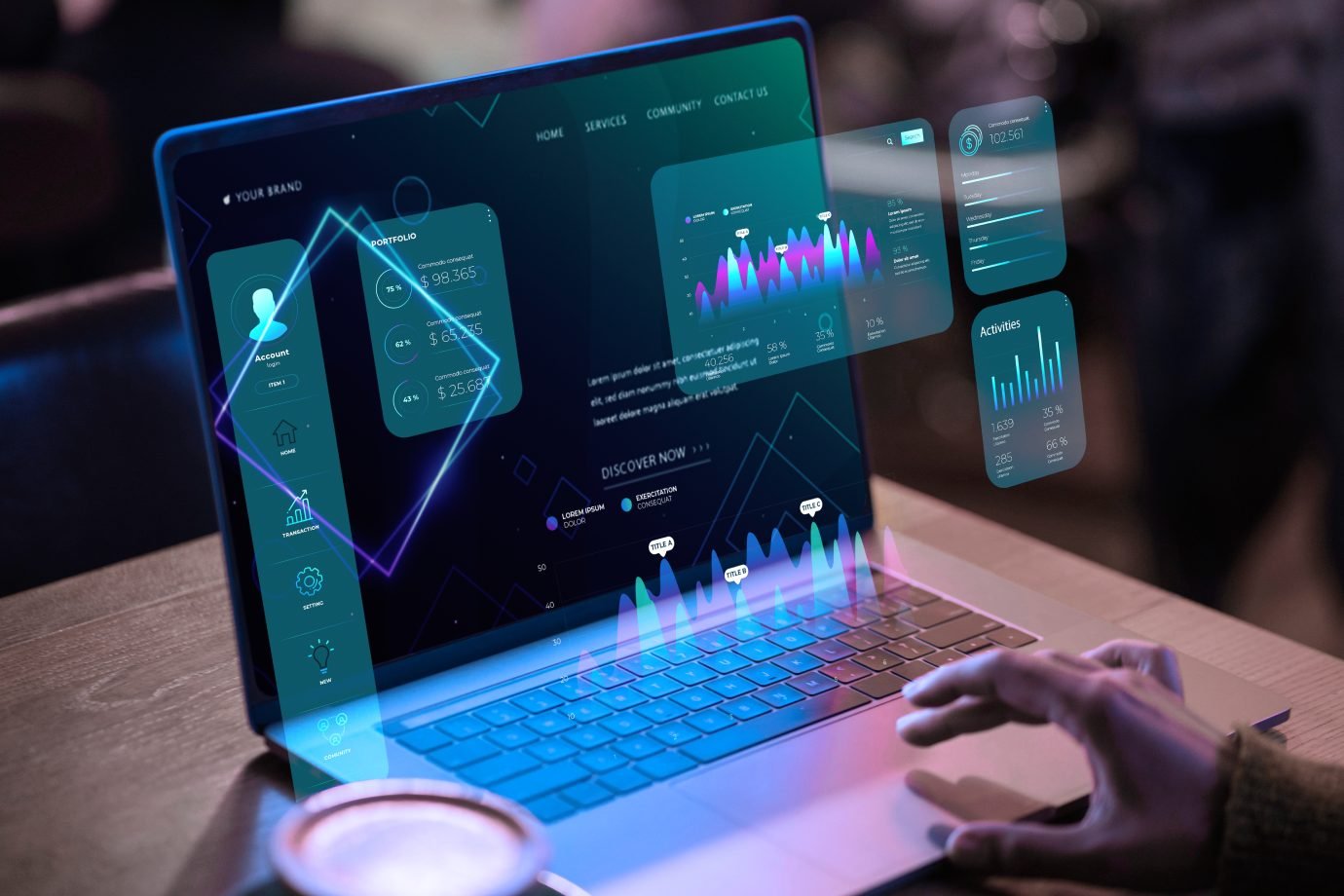
 Representation of User Experience Interface Design
User Experience (UX) and User Interface (UI) design represent the perfect balance between functionality and visual communication in the digital world. Every app, website, or software platform people use daily is shaped by these two essential disciplines.
UX design focuses on the overall experience users have while interacting with a product. It’s about making navigation intuitive, interactions smooth, and tasks effortless. Designers study user behavior, identify pain points, and build journeys that feel natural and efficient. A successful UX design often goes unnoticed because everything works seamlessly.
UI design complements this by shaping the visual appearance of the product. Colors, typography, buttons, icons, layouts, and animations all contribute to how users perceive and interact with the interface. A clean, visually appealing interface improves engagement and helps users feel comfortable and confident while using the product.
The design process usually starts with research and wireframing. Wireframes act as blueprints, helping teams organize content and functionality before visual details are added. These evolve into prototypes, where interactions can be tested and refined based on user feedback.
Modern interface design also emphasizes responsiveness and accessibility. Products must function smoothly across desktops, tablets, and smartphones while remaining usable for people with different abilities and needs. This inclusive approach ensures a better experience for a wider audience.
In today’s competitive digital landscape, design is no longer just about aesthetics. Users expect fast, intuitive, and enjoyable interactions. Even powerful features can fail if the experience feels confusing or frustrating.
Ultimately, UX and UI design are about creating meaningful connections between people and technology. Through thoughtful structure, clear visuals, and user-centered thinking, designers transform complex systems into experiences that feel simple, elegant, and human-centered.
0 Comment